Hart & Associates
  • Home
  • Why Us?
    • Reviews
    • Open Positions
  • Client Services
  • Resources
    • Taxes for S-Corp Owners
    • How to Get the Most Out of Your Accounting Fees
    • The 10 Biggest Money Leaks in Your Accounting System
    • IRS Rules for Classifying Workers
    • Checklist for a Healthy Cash Flow
    • 12 Ways to Improve Your Business Profits
    • 10 Step Annual Business Check-Up
    • Disaster Casualty Losses
    • What You Should Know About Tax Audits
  • Blog
  • Appointments

Are Bad Business Debts a Tax Deduction?

5/4/2016

 
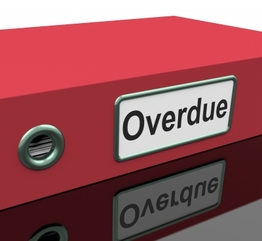
Picture
If you’re in business long enough, you’ll run into a customer who does not pay you. Despite your best efforts, you may conclude that you will never receive the money.

Do you have a tax-deductible bad debt? The answer depends in part on whether you operate your business using the cash or accrual method of accounting.
​

Cash. When you use the cash method, you report taxable income when you receive it and deduct expenses when they are actually paid.

While this makes your bookkeeping simple, you get no direct deduction for a bad debt. Since the income was never received, it was never reported or taxed.

However, you will still be able to indirectly deduct the labor, merchandise, and overhead used to provide for the goods or services that were delivered but not paid for.


Accrual. Under the accrual method, you report income when you send an invoice to the customer. Expenses are deducted when they are due, regardless of when you pay them.

This method is more complicated than the cash method, since you must track accounts receivable and accounts payable.

However, because you report taxable income when you bill your customers, you have a bad debt deduction that you can claim as an operating expense if your customers fail to pay.


For more information about accounting for bad debts, contact your CPA or financial advisor.

This is general information and should not be acted upon without first determining its application to your specific situation. Please contact your CPA or tax advisor for additional details.
Above image courtesy of Stuart Miles at FreeDigitalPhotos.net

Comments are closed.

    Author

    Successfully meeting the challenges inherent to new and smaller businesses provides me with a special type of satisfaction. 

    Supporting businesses that have the potential to become amazing – from both the perspective of owners and team members as well as their clients – is what I enjoy. 

    I hope to use this blog to provide information specific to businesses that are growing from small beginnings into exceptional companies.

    Archives

    February 2022
    January 2020
    December 2019
    November 2019
    October 2019
    September 2019
    August 2019
    July 2019
    June 2019
    May 2019
    April 2019
    March 2019
    February 2019
    January 2019
    December 2018
    June 2018
    May 2018
    April 2018
    March 2018
    February 2018
    January 2018
    December 2017
    November 2017
    July 2017
    February 2017
    January 2017
    December 2016
    November 2016
    October 2016
    September 2016
    August 2016
    July 2016
    June 2016
    May 2016
    April 2016
    March 2016
    February 2016
    January 2016
    December 2015
    November 2015
    October 2015
    September 2015

    Categories

    All
    Accounting Tips
    Business Management
    Employee Benefits
    Special Interests
    Tax

    RSS Feed

A Clarity Consulting Group Company

Picture
Picture
Picture
  • Home
  • Why Us?
    • Reviews
    • Open Positions
  • Client Services
  • Resources
    • Taxes for S-Corp Owners
    • How to Get the Most Out of Your Accounting Fees
    • The 10 Biggest Money Leaks in Your Accounting System
    • IRS Rules for Classifying Workers
    • Checklist for a Healthy Cash Flow
    • 12 Ways to Improve Your Business Profits
    • 10 Step Annual Business Check-Up
    • Disaster Casualty Losses
    • What You Should Know About Tax Audits
  • Blog
  • Appointments